The Quick Answer: When Can Babies Safely Have Chocolate Cookies?
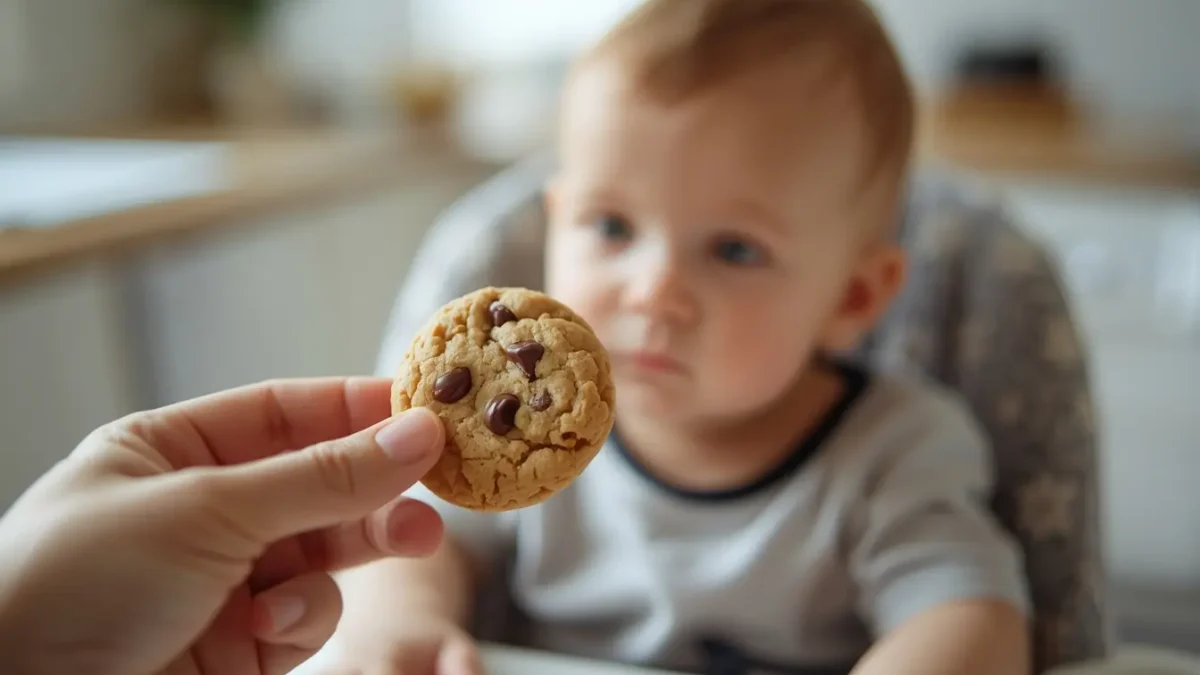
It is late afternoon, and the smell of freshly baked chocolate chip cookies is filling the kitchen. As you sit down to enjoy one, you notice a pair of wide, curious eyes watching your every move. Your baby reaches out their small hands, making eager noises, clearly wanting a bite. It is a moment almost every parent goes through, especially during family holidays or occasions like National Chocolate Chip Cookie Day. The temptation to share a small piece can be strong, but it is important to pause and understand how a baby’s body processes these ingredients.
Introducing new foods is an exciting milestones in your baby’s first year. If your baby is just starting their solid food journey, you might remember looking up safety rules on a 6 month baby solid food chart. But as babies grow into their ninth, tenth, and eleventh months, parents often feel more relaxed about offering bites of family food. However, when it comes to sweet treats like chocolate chip cookies, the rules are different than they are for vegetables, grains, or simple fruits.
This guide explains exactly why standard chocolate cookies are not safe for infants, when it becomes appropriate to introduce them in moderation, and how you can make healthy, sugar-free alternatives at home so your child does not miss out on the joy of baking.
The Quick Answer: When Can Babies Safely Have Chocolate Cookies?
Babies should not eat chocolate chip cookies under the age of one. Before their first birthday, an infant’s digestive system is highly sensitive, and their liver is not mature enough to process the stimulants naturally present in chocolate. For toddlers between 12 and 24 months, pediatric guidelines recommend avoiding added sugars entirely. Therefore, while a one-year-old can technically digest the ingredients, it is best to avoid standard store-bought chocolate chip cookies until at least age two, choosing healthier, home-baked alternatives instead.
Why Chocolate Chip Cookies Are Not Recommended for Infants (Under 1 Year)
The first twelve months of a baby’s life are a period of rapid development. During this stage, their primary source of nutrition should be breast milk or infant formula, supplemented by simple, nutrient-dense solid foods. For a detailed list of appropriate starting foods, read our guide on baby weight gain foods (6 to 12 months). Standard chocolate chip cookies present several health and safety risks for infants under one year old.
The Stimulant Risk: Caffeine and Theobromine in Chocolate
Chocolate is derived from cocoa beans, which naturally contain two active stimulants: caffeine and theobromine. While the amount of caffeine in a single chocolate chip seems tiny to an adult, it is significant for a small baby. An infant’s body breaks down caffeine much slower than an adult’s. These stimulants can interfere with your baby’s sleep patterns, increase their heart rate, and cause unusual irritability or fussiness. Because sleep is crucial for brain development, avoiding stimulants in the first year is a priority for pediatricians.
Added Sugars and the Early Taste Palate
The American Academy of Pediatrics (AAP) and the World Health Organization (WHO) advise a strict limit of zero added sugars for children under two years old. Chocolate chip cookies are packed with refined sugars. Introducing highly sweet foods early in life can permanently shape your baby’s taste preferences. The human tongue is naturally drawn to sweet tastes. If a baby is exposed to concentrated sugars, they may begin to reject the natural, subtle flavors of breast milk, vegetable purees, and savory grains, leading to picky eating habits that are difficult to correct later.
Physical Choking Hazards: Hard Chips and Nut Fragments
Infants are still learning the mechanics of chewing and swallowing. Even if a baby has a few front teeth, they do not have the molars required to grind down hard pieces of food. Traditional chocolate chip cookies contain semi-hard chocolate chips and, occasionally, chopped nuts. If a cookie is dry or crunchy, it can break into hard crumbs in the mouth. These hard pieces can easily slip into the airway before the baby has a chance to chew them, posing a serious choking hazard.
Can a 1-Year-Old Eat Chocolate Chip Cookies? (12 to 24 Months)
Once your child celebrates their first birthday, their digestive system and liver are more mature. A one-year-old toddler can digest the flour, butter, and small amounts of chocolate without immediate harm. However, this does not mean standard cookies should become a regular part of their diet.
Between 12 and 24 months, toddlers are developing their chewing skills and growing rapidly. They need nutrient-dense meals to fuel their active days. Offering cookies regularly fills their small stomachs with empty calories, displacing healthy meals like lentils, vegetables, and whole grains.
If you choose to let your one-year-old try a chocolate chip cookie on a special occasion, keep these guidelines in mind:
- Keep portions minimal: Offer a tiny bite, rather than a whole cookie.
- Ensure the texture is soft: Choose a soft-baked cookie rather than a crunchy one to prevent choking on crumbs.
- Avoid nut toppings: Make sure the cookie does not contain walnut, almond, or peanut pieces, which remain choking hazards for children under four.
Common Allergens in Traditional Cookie Recipes
Traditional cookie recipes contain several of the “Big Eight” food allergens. If your child has not yet been exposed to these ingredients, giving them a cookie can trigger an unexpected allergic reaction. The primary allergens in cookies include:
| Allergen | Source in Cookies | Alternative Solution |
|---|---|---|
| Dairy / Cow’s Milk | Butter, milk chocolate chips | Coconut oil, dairy-free dark chocolate, or ghee |
| Eggs | Used as a binder and leavening agent | Mashed banana, applesauce, or chia gel |
| Wheat / Gluten | All-purpose flour (maida) | Oat flour, ragi flour, or almond flour |
| Tree Nuts | Added walnuts, almonds, or pecans | Omit completely for safety. To learn more about introducing legumes and nuts safely, read our analysis: are peanuts, peas, or nuts baby food? |
If you notice signs like hives, redness around the mouth, swelling of the lips, vomiting, or diarrhea after your baby takes a bite of a cookie, contact your pediatrician immediately, as these are signs of an allergic response.
Healthy, Baby-Safe Cookie Alternatives for Cookie Day
You can easily participate in Cookie Day without using processed sugar or white flour. The trick is to use whole grains and naturally sweet fruits. Instead of buying commercial biscuits that are loaded with palm oil and preservatives, you can bake fresh cookies using rolled oats, sprouted ragi, and overripe bananas.
If you want to explore more ideas for clean, simple home-cooked meals, check out our guide on easy homemade baby food recipes. Many of these recipes can be adapted into soft finger foods for older infants.
Quick 15-Minute Oatmeal Banana Cookies (Refined Sugar-Free & Eggless)
This recipe uses only four basic ingredients, requires no added sugar, and is naturally eggless. The texture is soft, chewy, and easy for toddlers to gum safely.
Ingredients:
- 1 cup rolled oats (rolled oats create a softer texture than quick oats, which is easier for toddlers to chew)
- 2 medium overripe bananas (choose bananas with plenty of brown spots, as they contain the highest natural sugar content)
- 2 tablespoons melted coconut oil or ghee (adds healthy fats to support brain development)
- ¼ cup dark raisins or carob chips (carob is a naturally sweet, caffeine-free alternative to chocolate)
- ½ teaspoon cinnamon powder (adds a sweet flavor without sugar)
Instructions:
- Preheat your oven to 180°C (350°F) and grease a baking tray lightly with a drop of coconut oil.
- In a bowl, mash the bananas with a fork until they form a smooth paste with no large lumps.
- Stir in the rolled oats, melted coconut oil, and cinnamon powder. Mix until a thick dough forms. Let the dough rest for 3 minutes so the oats can absorb the moisture.
- Fold in the chopped raisins or carob chips. (If using raisins, chop them into small pieces to prevent choking).
- Scoop spoonfuls of dough onto the baking sheet. Shape them into flat, round discs with your fingers, as these cookies will not rise or spread during baking.
- Bake for 10 to 12 minutes until the edges are golden. Allow them to cool completely on a wire rack before serving.
If you want to learn more about the nutritional benefits of oats and how to prepare them safely, read our guide on overnight oats for babies.
Frequently Asked Questions (FAQs)
What should I do if my baby accidentally ate a chocolate chip cookie?
If your baby managed to grab and eat a small piece of a chocolate chip cookie, do not panic. A small bite is unlikely to cause serious harm. Monitor your baby for the next few hours. Watch for any signs of an allergic reaction (such as hives, rash, or vomiting) if they have not been exposed to wheat, dairy, or eggs before. Also, ensure they did not choke on any hard chocolate chips or nut fragments. Offer a few sips of water to help wash down any sticky crumbs.
Is dark chocolate safer for babies than milk chocolate?
No. While dark chocolate contains less sugar than milk chocolate, it actually contains a higher concentration of cocoa. This means dark chocolate has significantly more caffeine and theobromine than milk chocolate. For babies under two, the stimulant content is the main concern, making dark chocolate less suitable than milk chocolate for infants. If you want a chocolate-like flavor without the stimulants, carob powder or carob chips are the safest options.
Can my 10-month-old baby eat cookies without chocolate?
Yes, but you should still avoid standard store-bought biscuits or cookies. Even plain biscuits (like Marie or arrowroot biscuits) contain high amounts of refined sugar, processed wheat flour, and preservatives. If you want to offer a cookie to a 10-month-old, it is best to bake a batch of sugar-free oat and banana cookies at home, keeping the texture very soft and easy to mash with their gums.
Conclusion
Sharing food is a natural way to bond with your child, but safety and nutrition should always come first. Standard chocolate chip cookies are best kept out of reach during your baby’s first year due to the risks of stimulants, refined sugar, and choking hazards. By waiting until after their first birthday and focusing on healthy, fruit-sweetened homemade alternatives, you can protect your baby’s developing palate while still enjoying the fun of family baking. A simple option many parents check first to make baking with kids easier is using reusable silicone baking mats, which keep clean-up fast and stress-free.
Comments
Be the first to leave a comment!