Poppins Candy Side Effects: What Parents Should Know Before Giving It to Kids
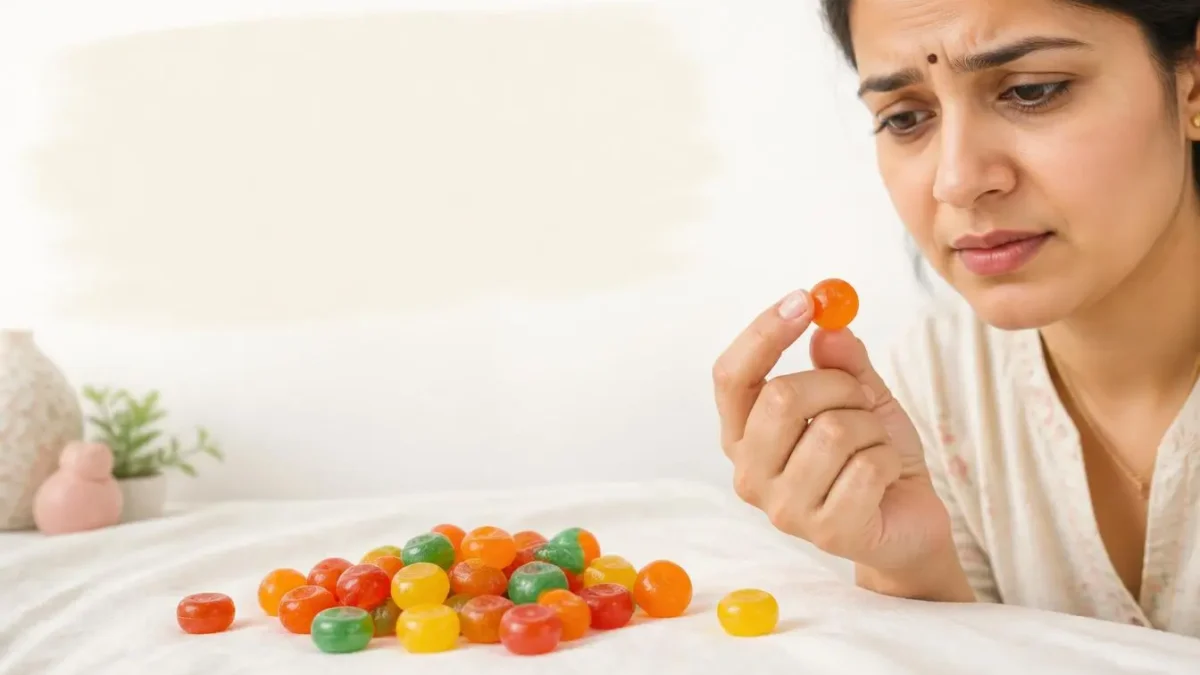
If your child has ever spotted those bright little Poppins candies at a shop counter and begged for them, you’re not alone. Parle Poppins have been around for decades — a childhood staple for many of us who grew up in India. But now, as parents ourselves, a different set of questions comes up: are Poppins candies safe for children? What are the possible side effects? And how much sugar is actually in those tiny, colourful drops?
This article looks honestly at what Poppins candy contains, what happens when kids eat too many, and when you might want to say no — or at least, “just one.”
What Is Parle Poppins Candy?
Poppins are small, round, hard candies made by Parle Products, one of India’s oldest and most trusted confectionery brands. They come in multiple fruit flavours — the kind that look almost too cheerful to resist. According to Parle’s official product information, Poppins contain sugar, liquid glucose, artificial flavouring agents, and permitted food colours as their primary ingredients.
The candy has been popular for generations, partly because it’s affordable and comes in colourful assorted packs. But “popular” and “harmless in large amounts” are two different things.
If you’re curious about what flavours are included or the detailed ingredients breakdown, we’ve covered that in our earlier post on Poppins Candy Flavors and Ingredients.
Sugar Content in Parle Poppins: The Main Concern
The most significant concern with Poppins — and with hard candies in general — is their high sugar content. Like most hard-boiled candies, Poppins are primarily made of sugar and liquid glucose. That’s what gives them their sweet taste and long-lasting texture.
The World Health Organization (WHO) recommends that free sugar intake for children should ideally be less than 10% of their total daily energy intake, and ideally below 5% for additional health benefits. A few Poppins candies here and there likely fall within acceptable occasional treat territory — but the problem is rarely “a few.”
Children who eat several candies a day, every day, are consuming concentrated sugar without any nutritional value. This is what matters for parents to understand — not one piece on a special occasion, but regular, habitual snacking on sugary hard candies.
What Excessive Sugar Does to Kids
When children regularly consume too much added sugar from sources like hard candies:
- Tooth decay becomes a real risk — Hard candies stay in the mouth for a long time, bathing teeth in sugar. This is especially problematic for younger children with developing enamel.
- Appetite disruption — Sweet snacks before meals reduce hunger for nutritious food.
- Energy spikes and crashes — Refined sugar causes blood glucose to rise quickly and drop, which can affect a child’s mood and concentration.
- Habitual sweet preference — Early exposure to intense sweetness can shape a child’s taste preferences away from healthier foods.
None of this is unique to Poppins — it applies to most sugar-heavy candies. But it’s worth saying clearly, especially for parents who let young children snack on them frequently.
Are Artificial Colours in Poppins a Concern?
Poppins use permitted food colours — the kind approved under India’s Food Safety and Standards Authority (FSSAI) regulations. This means they are considered safe for consumption within regulated amounts.
That said, some parents prefer to limit artificial food colours for their children, particularly if their child shows sensitivity. Some older research — notably the McCann et al. study published in The Lancet in 2007 — suggested links between certain artificial colours and increased hyperactivity in children, though the evidence remains debated and no definitive ban has been issued in India for the colours used in such candies.
If you have a child with known food sensitivities or ADHD, it may be worth discussing food dye exposure with your paediatrician — not to alarm you, but because every child is different.
Poppins and Young Children: Age-Related Safety Concerns
This is something parents sometimes overlook. Hard candies pose a choking risk for children under 4 years of age. Poppins, being small and round, are particularly risky for toddlers who may not have the coordination to keep a hard candy safely in their mouth without biting on it or accidentally inhaling it.
Most paediatric safety guidelines recommend avoiding hard candies altogether for children under 3–4 years. If you’ve given Poppins to a toddler, it’s best to supervise them carefully — and ideally wait until they’re older.
Are Poppins Safe for Pregnant Women or Breastfeeding Mothers?
Poppins don’t contain any ingredients that are specifically harmful during pregnancy or breastfeeding in small amounts. The ingredients — sugar, glucose, artificial flavours, permitted colours — are not classified as unsafe for pregnant women by FSSAI.
However, the same general nutrition advice applies: consuming too much refined sugar during pregnancy is not ideal, as it can contribute to gestational weight gain and fluctuating blood sugar. An occasional Poppins is unlikely to cause concern, but making it a regular craving-satisfier may not serve you well nutritionally.
For those watching their sugar intake during pregnancy, you might also find our post on Black Salt in Pregnancy useful for understanding which food choices matter most during this stage.
Can Children With Diabetes or Sugar Sensitivity Eat Poppins?
No — hard candies like Poppins are not suitable for children who need to manage blood sugar levels. They contain a high concentration of simple sugars with essentially no fibre, protein, or fat to slow glucose absorption. For children with Type 1 or Type 2 diabetes, or those with sugar sensitivity as advised by a doctor, candies like Poppins should be avoided or strictly limited under medical guidance.
What About the Artificial Flavouring Agents?
Parle Poppins contain “artificial flavouring agents” as listed on the packaging. These are synthetic compounds approved by FSSAI for use in confectionery. They are responsible for the distinctive fruit flavours — orange, strawberry, pineapple, and others. The most common Poppins flavor that children tend to reach for is the orange one, though preferences vary widely.
At the quantities used in hard candies, these flavouring agents are generally considered safe for most people. Allergic reactions to specific artificial flavours are uncommon but possible — if you notice your child developing hives, stomach upset, or unusual reactions after eating flavoured candies, it’s worth consulting a doctor.
Dental Health: The Longest-Lasting Side Effect
If there’s one area where regular Poppins consumption causes a clearly documented problem, it’s dental health. Hard candies dissolve slowly, which means teeth are exposed to sugar for extended periods. This feeds bacteria in the mouth that produce acid, leading to enamel erosion and tooth decay.
The American Dental Association and most paediatric dentists place hard candies among the worst types of sweets for oral health — worse than chocolate, which dissolves quickly. This doesn’t mean children can never have a Poppins, but it’s important to:
- Encourage rinsing with water after candy
- Avoid giving candy right before bed
- Maintain regular brushing twice a day
- Keep dental check-ups on schedule
Comparison: Poppins vs Other Common Indian Candies
| Factor | Poppins (Hard Candy) | Polo Mints (Hard Candy) | Eclairs (Toffee) |
|---|---|---|---|
| Main ingredient | Sugar + glucose | Sugar + glucose + peppermint | Sugar + milk solids |
| Dissolves slowly? | Yes | Yes | Partially |
| Dental risk | High (prolonged contact) | High (prolonged contact) | Moderate-High (sticky) |
| Choking risk for under 4 | Yes | Yes | Moderate |
| Artificial colours | Yes (FSSAI permitted) | Minimal | May vary |
| Suitable for daily snacking? | No | No | No |
For a detailed look at another popular Indian candy, you might also want to read whether Polo Mint is safe to eat — a question many parents have searched for.
How Many Poppins Is “Too Many”?
There’s no specific official guideline that says “two Poppins is fine, five is not.” But a practical approach for parents is:
- Treat them as an occasional treat — not a daily snack
- Limit to 2–3 pieces on any given occasion
- Never give them to children under 3 years old
- Don’t use candy as a regular reward system — this builds sugar dependency habits
- Be especially cautious if your child already has cavities or dental issues
The goal isn’t to eliminate sweets from your child’s life — that’s neither realistic nor necessary. It’s about making sure that treats stay treats, and that children are eating enough genuinely nutritious food through the day.
A Note for Parents: Trust Your Instincts
If your child has eaten a Poppins or two at a birthday party, please don’t worry. One piece of candy does not cause harm. These concerns matter when candy becomes a frequent, daily habit — which is surprisingly easy for kids to fall into if we’re not paying attention.
It also helps to offer alternatives — fruits, homemade ladoos, a small piece of jaggery — when children crave something sweet. They’re not perfect substitutes for candy in a child’s eyes, but gradually building a preference for less processed sweetness does make a difference over time.
Some parents find it helpful to check product labels before buying any packaged snack for their children. If you’re looking to understand general baby and child food choices better, our post on common food questions for parents covers some everyday snack-related topics.
Frequently Asked Questions
Are Poppins candies safe for children?
Poppins use FSSAI-permitted ingredients and are not unsafe in occasional, small amounts. However, they are not suitable for children under 3–4 years due to choking risk, and regular daily consumption is not recommended due to high sugar content and dental health concerns.
What are the side effects of eating too many Poppins?
The main concerns from excessive candy consumption include tooth decay, disrupted appetite, high sugar intake without nutritional value, and possible sensitivity reactions to artificial flavours or colours in susceptible individuals.
How much sugar is in Parle Poppins?
Parle Poppins, like most hard candies, are primarily made of sugar and liquid glucose. The exact sugar content per piece isn’t prominently listed, but hard candies typically contain around 60–80% sugar by weight. The sugar content in parle poppins makes them a treat to enjoy occasionally, not a regular snack.
Can toddlers eat Poppins?
No. Hard candies like Poppins are a choking hazard for children under 3–4 years old and should not be given to toddlers or young children unsupervised.
Are artificial colours in Poppins harmful?
The colours used in Poppins are approved by FSSAI for use in food products in India. They are not classified as harmful for the general population, though parents of children with known food sensitivities may want to be more cautious.
Is Poppins candy good for teeth?
No — like all hard candies, Poppins stay in the mouth for an extended period and expose teeth to sugar for longer than most other sweets. This increases the risk of tooth decay, especially in children.
Conclusion
Poppins candy isn’t toxic or outright dangerous for healthy children in small, occasional amounts. But like most hard candies, it carries real risks when consumed regularly — particularly for dental health, sugar intake, and children under 4 who face choking hazards.
As parents, the takeaway is simple: enjoy an occasional Poppins as a treat, not a habit. If your child is old enough, it’s a fine cultural snack in moderation. But building daily candy habits — even with something as familiar and nostalgic as Poppins — isn’t something worth encouraging.
If you’re navigating food choices for young children more broadly, our piece on healthy food ideas for babies and toddlers might offer some practical inspiration.
Comments
Be the first to leave a comment!