Are Sensory Toys Good for Babies?
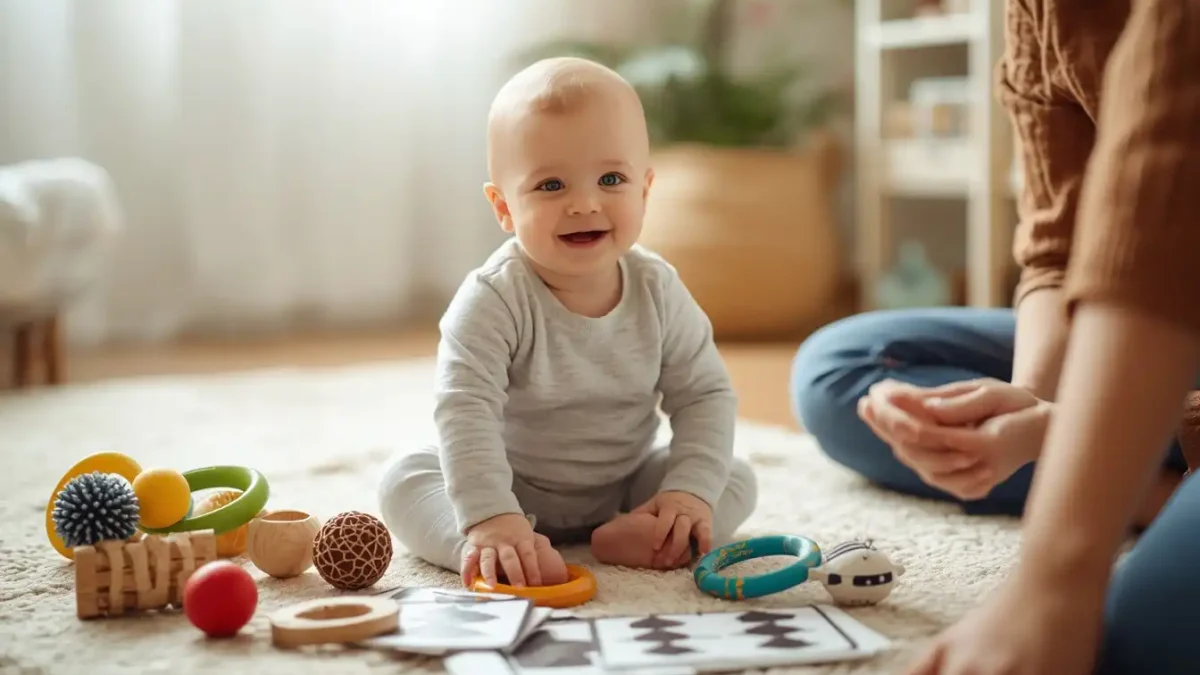
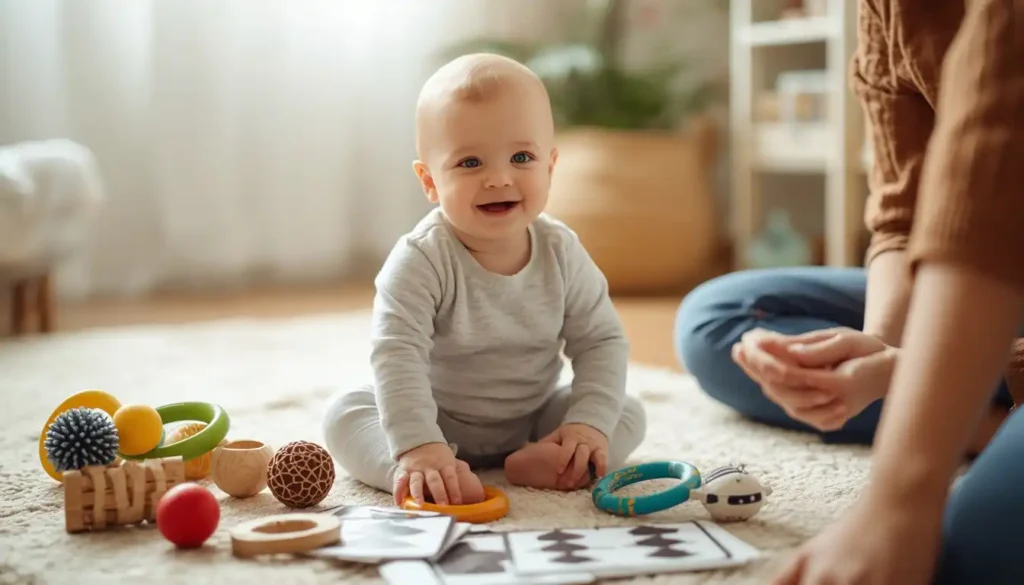
Walk into any baby store today and you’ll see shelves filled with sensory toys promising to engage a baby’s senses. Many parents wonder whether these toys are genuinely useful or simply another parenting trend. The truth is that babies learn through seeing, touching, hearing, and exploring. Well-chosen sensory toys can support that natural learning process, but they are only one part of a baby’s development.
What Are Sensory Toys for Babies?
Sensory toys are designed to stimulate one or more senses, including touch, sight, hearing, and movement. Examples include textured balls, crinkle books, rattles, high-contrast cards, soft fabric toys, and simple wooden toys.
Do Babies Need Sensory Toys for Cognitive Development?
Babies do not require expensive sensory toys to develop normally. Everyday experiences such as talking, cuddling, singing, tummy time, and exploring safe household objects can also provide sensory input. However, sensory toys can offer additional opportunities for exploration and learning.
Why Are Sensory Toys Important for Babies?
Advanced Motor Skill Development in Infants
Many sensory toys encourage reaching, grasping, squeezing, and holding. These actions help babies practice movements that eventually support self-feeding, crawling, and independent play.
Fine Motor Skills: Grasping and Pinching Exercises
Soft blocks, textured rings, and lightweight rattles help babies practice grasping and hand control.
Gross Motor Skills: Reaching, Rolling, and Tummy Time Navigation
Toys placed slightly out of reach can motivate movement during tummy time and encourage physical exploration.
Cognitive Growth and Understanding of Cause-and-Effect
When a baby shakes a rattle and hears a sound, they begin learning that their actions can create outcomes. This simple understanding forms an early foundation for problem-solving.
Emotional Regulation, Language Skills, and Social Bonding
Sensory play becomes even more valuable when parents participate. Talking about textures, colors, and sounds helps build language while creating meaningful interaction.
What Did Montessori Say About Sensory Play?
Maria Montessori emphasized hands-on learning and exploration. Montessori-inspired environments often include simple materials that encourage children to learn through direct interaction rather than passive entertainment.
Are Sensory Toys Safe for Babies?
Safety should always come before entertainment. Choose age-appropriate toys, inspect them regularly for damage, and avoid items with small detachable parts that may create choking risks.
Choosing Non-Toxic Materials
Look for products from reputable manufacturers and follow age recommendations provided by the manufacturer.
What Age Should Babies Start Sensory Play?
Newborn to 3 Months: Visual and Auditory Tracking
Newborns are often attracted to high-contrast black-and-white patterns and gentle sounds.
3 to 6 Months: Tactile Exploration and Oral Fixation
At this stage, babies often explore objects with their hands and mouth. Safe teethers and textured toys can support this exploration.
What Are the Best Sensory Toys for Babies?
Handmade Crochet Teethers vs. Wooden Sensory Toys
Both options can be useful when made from baby-safe materials. The best choice depends on your baby’s preferences and developmental stage.
Sensory Toys for Babies in India
Parents in India can find affordable sensory options including rattles, cloth books, stacking cups, textured balls, and locally made wooden toys.
| Toy Type | Best Age | Main Benefit |
|---|---|---|
| High-Contrast Cards | 0–3 Months | Visual Tracking |
| Crinkle Books | 3–6 Months | Sound Exploration |
| Wooden Grasp Toys | 4–8 Months | Fine Motor Skills |
| Teethers | 3–12 Months | Tactile Exploration |
Are Sensory Toys Electronic or Electric?
Active Play vs. Passive Entertainment for Infant Brain Wiring
Many experts encourage active exploration over passive screen exposure during infancy. Simple toys often allow babies to control the pace of play.
The Risk of Brain Overstimulation
Some babies may become overwhelmed by toys with excessive lights, sounds, and constant stimulation. Signs may include fussiness, turning away, or difficulty settling.
Simple DIY Sensory Toys You Can Make at Home
- Fabric sensory squares made from different textures.
- Plastic bottles filled with safe, sealed materials for visual exploration.
- Kitchen measuring cups for supervised stacking and play.
Related Reads
- 2 Year Old Baby Girl Weight Guide
- How Much Wool Is Required for a Baby?
- Formula Milk for a 6-Month-Old Baby
- Are Baby Gas Reliever Tubes Safe?
Frequently Asked Questions
Can I show my 2 month old sensory videos?
Interactive human engagement is generally more beneficial than videos for very young babies.
What are the downsides of overstimulating a baby with electronic toys?
Too much stimulation may make some babies fussy, tired, or less interested in quieter forms of play.
Can I create DIY sensory toys at home without spending money?
Yes. Many safe household items can support sensory exploration when used under supervision.
Why are high-contrast black and white toys recommended for newborns?
Young babies can often see strong visual contrasts more easily than subtle colors.
Is it safe for babies to put handmade crochet teethers in their mouth?
Only if they are made with baby-safe materials and regularly checked for wear and damage.
Conclusion
Sensory toys can be a useful addition to a baby’s environment, but they work best alongside everyday interaction, conversation, movement, and play. The most valuable part of sensory play is often not the toy itself but the opportunity it creates for exploration and connection.
Comments
Be the first to leave a comment!